Pet Photoshoot Guide: Studio Photos of Your Dog or Cat (Without the Chaos)
Updated 20 July 2026 · By the Self Photo Studio Singapore team
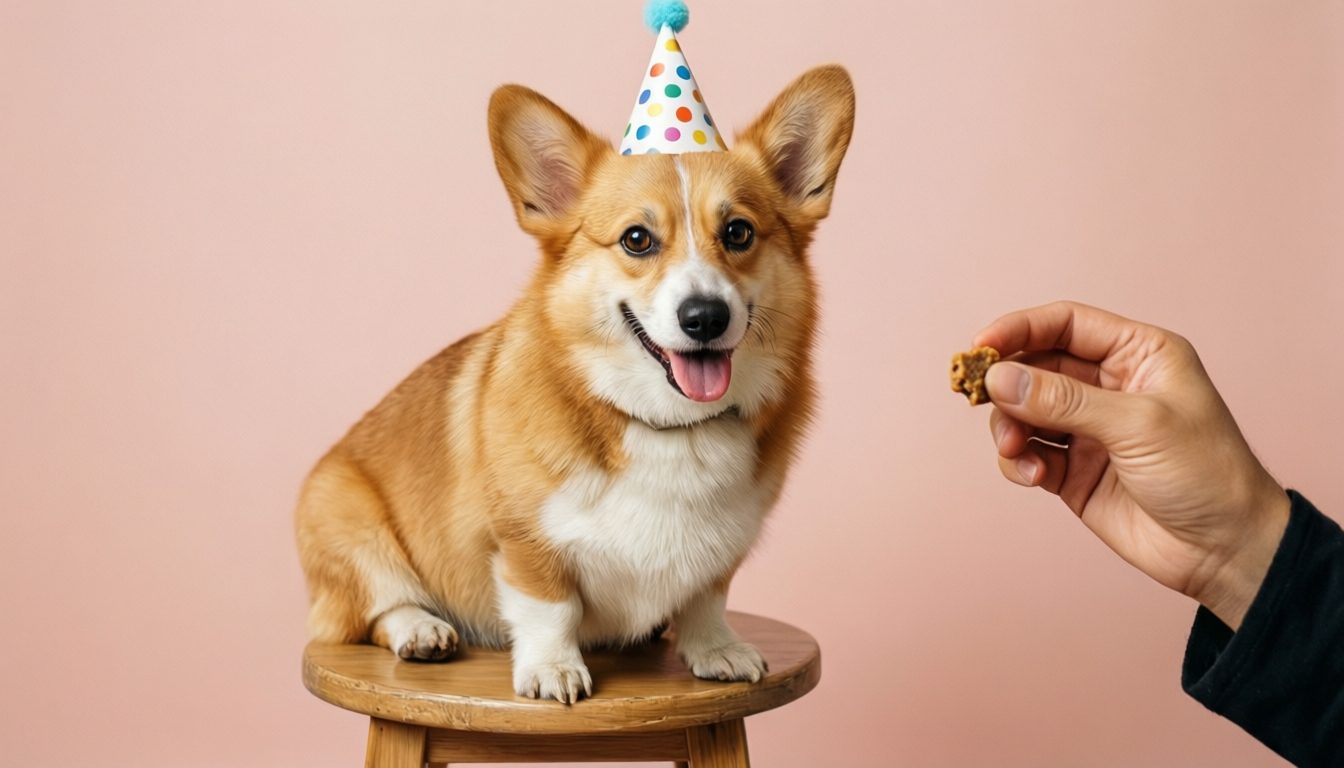
Your phone has four thousand photos of your pet and not one where the lighting is good, the background is clean and the dog is actually looking at the camera. A self photo studio solves the first two instantly - And with the right tricks, the third is very achievable too.
One thing before anything else: not all studios allow pets, and among those that do, the rules differ widely. This guide starts there, then covers treat-and-timing tricks, why burst mode is non-negotiable for animals, pose ideas for dogs and cats, calming an anxious pet in an unfamiliar room, and the cleanup etiquette that keeps studios pet-friendly for everyone.
Always check the studio's pet policy first
This is the single most important step. Some self photo studios in Singapore welcome pets, some allow them only in designated rooms or time slots, some require a pet fee or deposit, and many do not allow animals at all - Often because of allergies, fur on fabric backdrops or building rules set by the mall. Never assume, and never just turn up with a carrier. Message the studio before booking and ask specifically: are pets allowed, is there a size or breed restriction, is there an extra cleaning fee, and must the pet stay leashed or carried between shots?
Booking policies on things like this vary as much as pricing does - The general questions worth asking any studio are collected in our FAQ. If a studio does say yes, book an off-peak slot if you can: fewer people in the corridor means a calmer walk in, and studios are usually more relaxed about a slightly longer settling-in period when the schedule is not packed.
Treats and timing: the two levers that control the shoot
Every good pet photo is really a treat transaction. Bring high-value treats your pet only gets on special occasions - The everyday kibble will not hold attention in a new room. The core technique: hold the treat directly beside or just above the camera lens, fire a burst, then pay out. Your pet learns within minutes that looking at the black box produces snacks. A squeaker or crinkly wrapper held at the lens produces the head-tilt shot; use it sparingly because it stops working by the fifth squeak.
Timing matters as much as treats. Exercise your dog before the session - A walked dog poses, an unwalked dog parkours. Cats are the opposite: aim for their naturally mellow window after a meal. Keep the whole shoot short; most pets have 20 to 30 good minutes in them, so know your priority shots and get them first.
Burst mode is non-negotiable for animals
Pets do not hold poses - They pass through them. The only reliable way to catch the ear-perk, the head tilt or the split second both you and the dog face forward is continuous shooting. Set the camera or remote to burst or a short interval timer and let it run through every setup; with a self studio's unlimited shots, a two-hundred-frame session costing nothing extra is exactly the format working in your favour.
If the studio setup allows it, a slightly faster shutter or brighter room helps freeze motion, and getting the camera down to your pet's eye level transforms the photos from surveillance footage into portraits. The mechanics of framing, remotes and interval settings are the same as any session - The basics in what is a self photo studio cover how the equipment typically works if this is your first visit.
Pose ideas with dogs and cats
Work with the animal you brought, not the one on Pinterest:
- The sit-stay portrait (dogs): your most trained command becomes your cleanest shot. Sit, stay, treat above the lens, burst.
- The carry: hold your pet at chest height, both of you facing camera. Works for cats, small dogs and resigned rabbits.
- The floor cuddle: lie or sit on the floor and let the pet climb on you. Messy, real and usually the favourite frame.
- The treat reach: hold a treat high so the dog looks up in a noble profile, or does the standing beg.
- Cat-led chaos: for cats, place them on the stool and photograph whatever opinion they express. A cat mid-loaf on a pastel backdrop needs no direction.
- Matching moment: owner and pet both looking off-camera the same way - Bounce a toy off the wall to sync the glance.
Afterwards, the burst frames make a brilliant four-panel - Drop the best sequence into the free photo strip maker for a strip of escalating head tilts.
Calming an anxious pet in a new room
A studio is a strange-smelling box with odd lights - Give your pet time to file that information. Budget the first five to ten minutes for exploration: leash on, let them sniff the perimeter, no camera, no demands. Bring a familiar blanket or their bed and place it in frame; a known scent is the fastest shortcut to a relaxed animal, and a blanket photographs fine. Keep your own energy low and your voice normal - Pets read your stress instantly and reflect it straight back at the lens.
Watch for stress signals (panting without heat, tucked tail, flattened ears, a cat hiding behind the backdrop) and respond by pausing, not pushing. Some pets need two visits before they produce relaxed photos, and that is fine. If your pet is known to be reactive or highly anxious, an honest conversation with the studio beforehand - Or a vet-recommended calming aid trialled at home first, never for the first time on shoot day - Beats forcing a bad hour on everyone.
Cleanup etiquette keeps studios pet-friendly
Pet-friendly policies survive only as long as pet owners leave rooms the way they found them. Pack a kit: lint roller, poop bags, wet wipes, a small towel, and puppy pads if your pet is young or nervous - Accidents in exciting new rooms are common even for house-trained animals. Toilet your dog right before entering the building, keep water available but not free-flowing, and lint-roll the backdrop fabrics and seating before you leave.
If an accident happens, tell the staff immediately rather than covering it up - Most studios handle it gracefully when informed, and a cleaning fee is a fair cost of the format. Leaving it for the next customer to discover is how studios end up banning pets entirely. Tip generously with your behaviour: on-time exit, honest reporting, spotless room. Every clean session you leave behind keeps the yes answer alive for the next pet owner who asks.
Frequently asked questions
Do self photo studios in Singapore allow pets?
Some do, many do not, and rules differ even among pet-friendly ones - Size limits, extra fees and designated rooms are all common. Always confirm the specific studio's policy before booking.
How do I get my dog to look at the camera?
Hold a high-value treat or a squeaky toy right beside the lens, shoot a burst, then reward. Repeat and your dog will start offering the look on their own.
What should I bring to a pet photoshoot?
High-value treats, a favourite toy, a familiar blanket, a leash, and a cleanup kit with a lint roller, wipes and waste bags. A pre-shoot walk for dogs helps more than any prop.
What happens if my pet has an accident in the studio?
Tell the staff straight away and help clean up - Most pet-friendly studios expect the occasional accident and may charge a reasonable cleaning fee. Honesty keeps the studio pet-friendly.
Keep reading
Family Photoshoot Guide
How to plan a self photoshoot with kids and grandparents - Timing, outfits and poses.
Birthday Photoshoot Ideas
Balloons, number props and cake-smash-free ideas for birthday studio shoots.
How to Pose in a Self Photo Studio
Body-language basics, angles and 20+ pose ideas that look natural on camera.
Self photo studios in Jurong East
The West's mall cluster makes Jurong East the most convenient studio stop outside town.